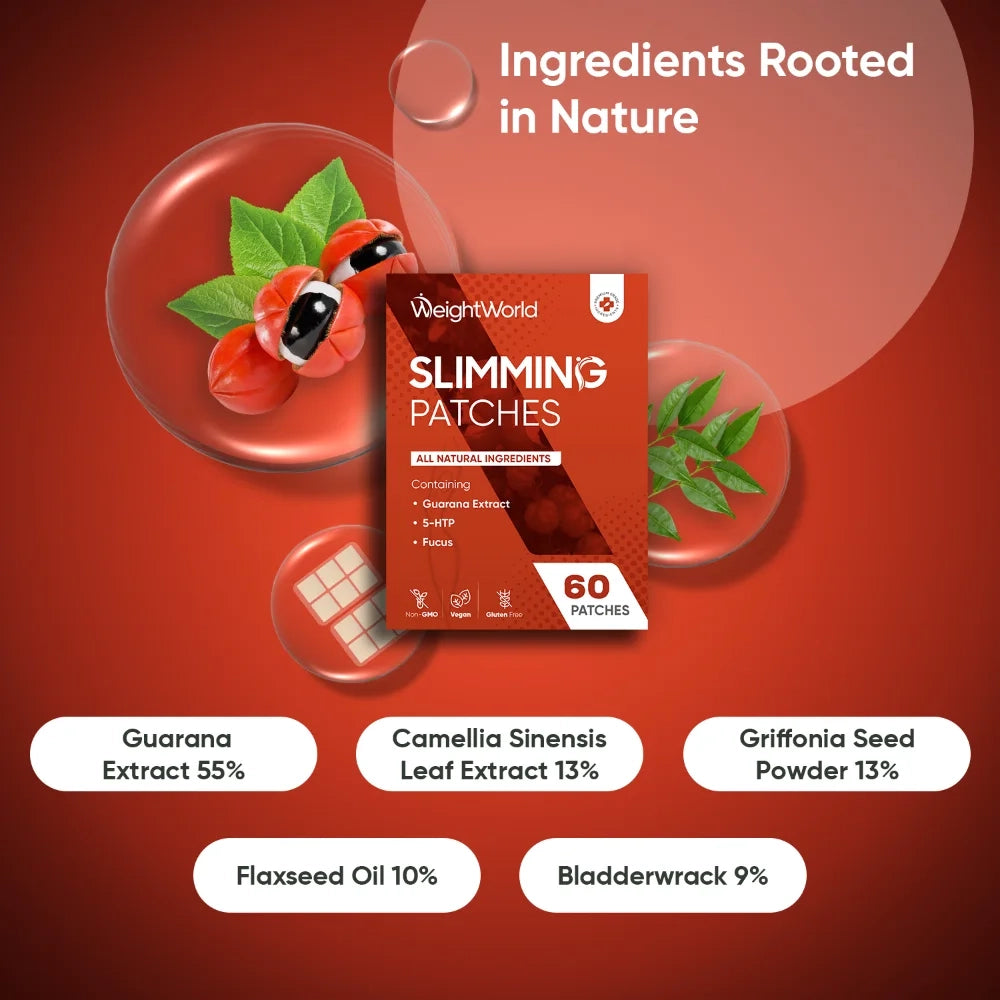
Embarking on a weight-loss journey often feels like navigating a maze of diets, workouts, and supplements. While a balanced diet and regular exercise remain the cornerstones of sustainable fat loss, many individuals turn to scientifically-backed fat burners to accelerate results, improve energy levels, and support metabolic health. This guide explores the most effective fat-burning compounds, how they work, and practical tips for incorporating them safely into a comprehensive weight-management plan.
Understanding How Fat Burners Work
Fat burners are dietary supplements designed to enhance the body’s natural ability to oxidize fat. They typically combine ingredients that:
- Increase thermogenesis – the process of heat production that burns calories.
- Boost catecholamine levels (e.g., adrenaline) to stimulate lipolysis.
- Support metabolic pathways that favor fat utilization over storage.
- Improve focus and energy, making workouts more effective.
When paired with a calorie-controlled diet and consistent physical activity, these mechanisms can create a modest caloric deficit, leading to gradual weight loss.
Key Ingredients to Look For
Caffeine
Caffeine is one of the most researched stimulants in the fitness world. It:
- Elevates resting metabolic rate by 3-5%.
- Enhances endurance performance, allowing longer training sessions.
- Improves mental alertness, reducing perceived effort during workouts.
Green Tea Extract (EGCG)
Epigallocatechin gallate (EGCG) from green tea offers antioxidant benefits while:
- Increasing fat oxidation, especially during moderate-intensity exercise.
- Supporting cardiovascular health, which is crucial for active lifestyles.
L-Carnitine
L-Carnitine transports long-chain fatty acids into mitochondria, the cell’s powerhouses, where they are burned for energy. Benefits include:
- Improved recovery after intense training.
- Potential reduction in muscle soreness.
Yohimbine
Derived from the bark of the Yohimbe tree, yohimbine selectively targets alpha-2 adrenergic receptors, making it especially effective for stubborn “stubborn” fat areas. It is most potent when taken on an empty stomach.
Choosing the Right Fat Burner
Not all fat burners are created equal. When selecting a product, consider the following criteria:
- Transparency: Look for clear labeling of each ingredient and its dosage.
- Third-party testing: Certifications from independent labs ensure purity and safety.
- Synergistic blends: Formulations that combine thermogenic and metabolic agents often deliver better results.
- Customer feedback: Real-world experiences can highlight efficacy and tolerability.
For a curated selection of scientifically formulated options, explore reputable fat burners that meet these standards.
How to Incorporate Fat Burners Safely
Even the most effective supplement can cause side effects if misused. Follow these guidelines to maximize benefits while minimizing risks:
- Start low, go slow: Begin with half the recommended dose to assess tolerance.
- Timing matters: Take stimulant-based burners 30-60 minutes before workouts; avoid late-day dosing to prevent sleep disruption.
- Stay hydrated: Thermogenic ingredients can increase sweating and fluid loss.
- Monitor heart rate: If you have a history of cardiovascular issues, consult a healthcare professional before use.
- Cycle periods: Use for 6-8 weeks, then take a 1-2 week break to prevent tolerance buildup.
Complementary Lifestyle Strategies
Fat burners are an adjunct, not a replacement, for foundational habits. Pair them with these evidence-based practices:
Nutrition
- Prioritize protein (1.6-2.2″?g/kg body weight) to preserve lean muscle.
- Include fiber-rich vegetables and whole grains for satiety.
- Limit refined sugars and processed foods that can blunt metabolic benefits.
Exercise
- Combine strength training (3-4 sessions/week) with high-intensity interval training (HIIT) to boost post-exercise calorie burn.
- Incorporate low-impact cardio on recovery days to maintain caloric expenditure without overtraining.
Sleep & Stress Management
- Aim for 7-9 hours of quality sleep; insufficient rest can increase cortisol, promoting fat storage.
- Practice mindfulness or yoga to lower stress, which also supports hormonal balance.
Potential Side Effects and Who Should Avoid Fat Burners
While many users experience only mild sensations such as a slight jitter, some individuals may encounter:
- Increased heart rate or palpitations.
- Digestive upset (e.g., nausea, diarrhea).
- Insomnia or heightened anxiety.
People with the following conditions should exercise caution or avoid stimulant-based burners altogether:
- Hypertension or cardiovascular disease.
- Pregnancy or breastfeeding.
- Thyroid disorders without medical supervision.
Conclusion: A Balanced Approach to Fat Loss
Integrating high-quality fat burners into a disciplined regimen of nutrition, exercise, and recovery can provide a valuable edge on the weight-loss journey. By understanding the mechanisms, selecting transparent products, and adhering to safe usage protocols, individuals can harness the metabolic boost these supplements offer while maintaining overall health. Remember, sustainable fat loss is achieved through consistency, not shortcuts; let fat burners serve as a supportive tool rather than the sole solution.