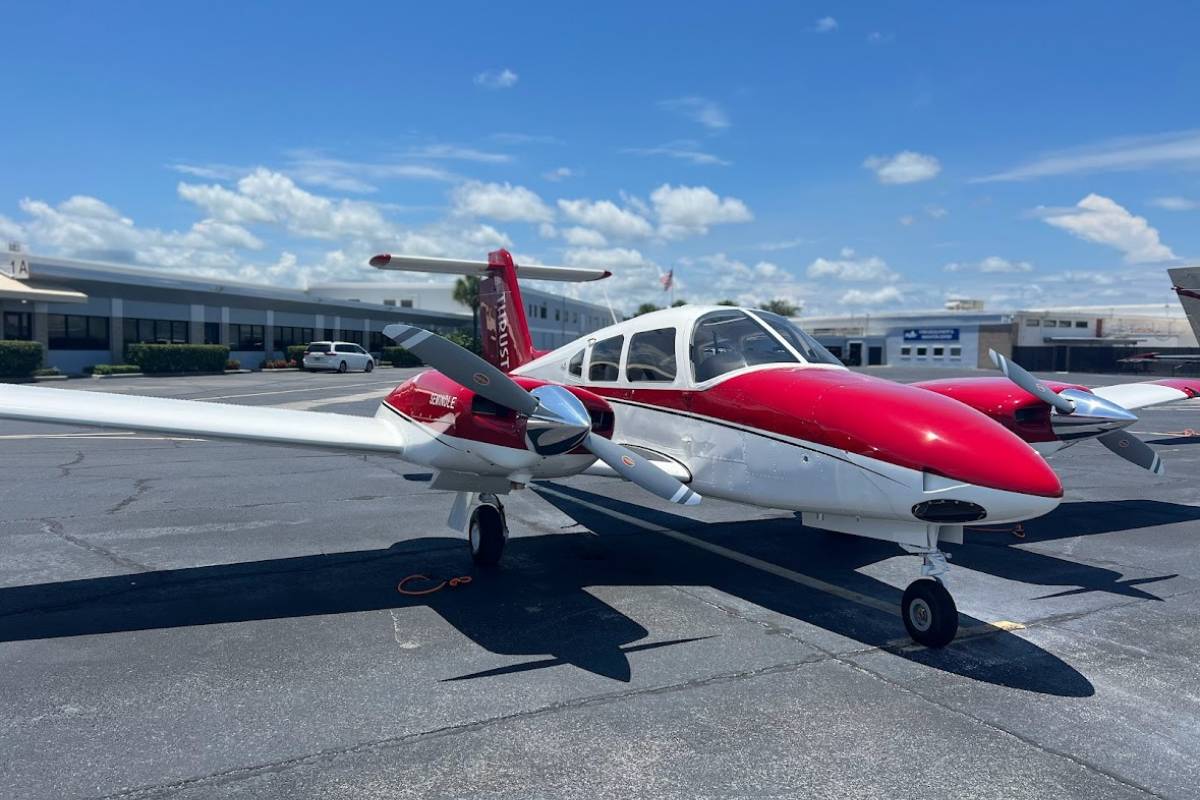
Mastering multi-engine flight training is a pivotal step for pilots aiming to elevate their aviation career. The added complexity of managing multiple engines can be daunting, yet it provides invaluable experience that broadens opportunities in the aviation industry. By engaging in comprehensive training, pilots develop the skills necessary to safely and effectively manage multi-engine aircraft. This article delves into the key components of multi-engine flight training, offering insights and strategies for achieving success in this advanced field of aviation.
Understanding Multi-Engine Aircraft Dynamics
Multi-engine aircraft require a refined understanding of aerodynamics and power management. Training programs focus on the following critical areas:
- Engine Out Procedures: Pilots must be adept at handling engine failures, including shutting down an engine and securing the aircraft.
- Asymmetrical Thrust Management: Understanding how to manage and correct the aircraft?s tendency to yaw during engine failure is essential.
- Weight and Balance: Multi-engine planes have stricter weight and balance requirements, which can significantly affect flight dynamics.
Discover expert strategies for managing these dynamics by exploring advanced guides and tips.
The Importance of Comprehensive Ground Training
Ground training forms the backbone of multi-engine flight training, equipping pilots with the theoretical knowledge required for safe flight operations. Key components include:
- Aerodynamic Theory: A deeper dive into the principles of multi-engine flight, including lift, drag, and thrust.
- Systems Knowledge: Familiarity with the aircraft?s systems, such as fuel, electrical, and hydraulic systems, is crucial for troubleshooting in-flight issues.
- Regulatory Standards: Understanding FAA regulations and safety standards specific to multi-engine operations.
Learn about tailored solutions for ground training here.
Flight Training Techniques for Multi-Engine Aircraft
Transitioning from single-engine to multi-engine aircraft involves mastering new flight techniques. Effective flight training encompasses:
- Simulated Engine Failures: Practicing engine-out scenarios to build confidence and competence in critical situations.
- Instrument Proficiency: Enhancing skills to navigate and control the aircraft in varying weather conditions.
- Crosswind Landings: Developing the ability to land safely under crosswind conditions, which are more challenging in multi-engine aircraft.
Find out more about this approach by exploring our detailed guides.
Building Confidence and Competence
Success in multi-engine flight training lies not only in technical proficiency but also in building the pilot?s confidence. Structured programs ensure pilots are well-prepared by:
- Progressive Training Modules: Step-by-step learning that builds on existing skills while introducing new concepts.
- Scenario-Based Training: Real-world scenarios that prepare pilots for unexpected challenges.
- Continuous Evaluation: Regular assessments to monitor progress and adapt training to the pilot?s needs.
Explore advanced strategies for building confidence here.
Conclusion
Mastering multi-engine flight training is a crucial milestone for pilots seeking to enhance their capabilities and career prospects. Through rigorous training that covers both ground and flight operations, pilots are equipped with the necessary skills to handle the complexities of multi-engine aircraft. For those considering this path, it is essential to commit to a comprehensive and structured training program, which will not only enhance technical skills but also build the confidence needed for successful flight operations. Learn more about effective multi-engine training techniques and resources to ensure a successful transition in your aviation journey.