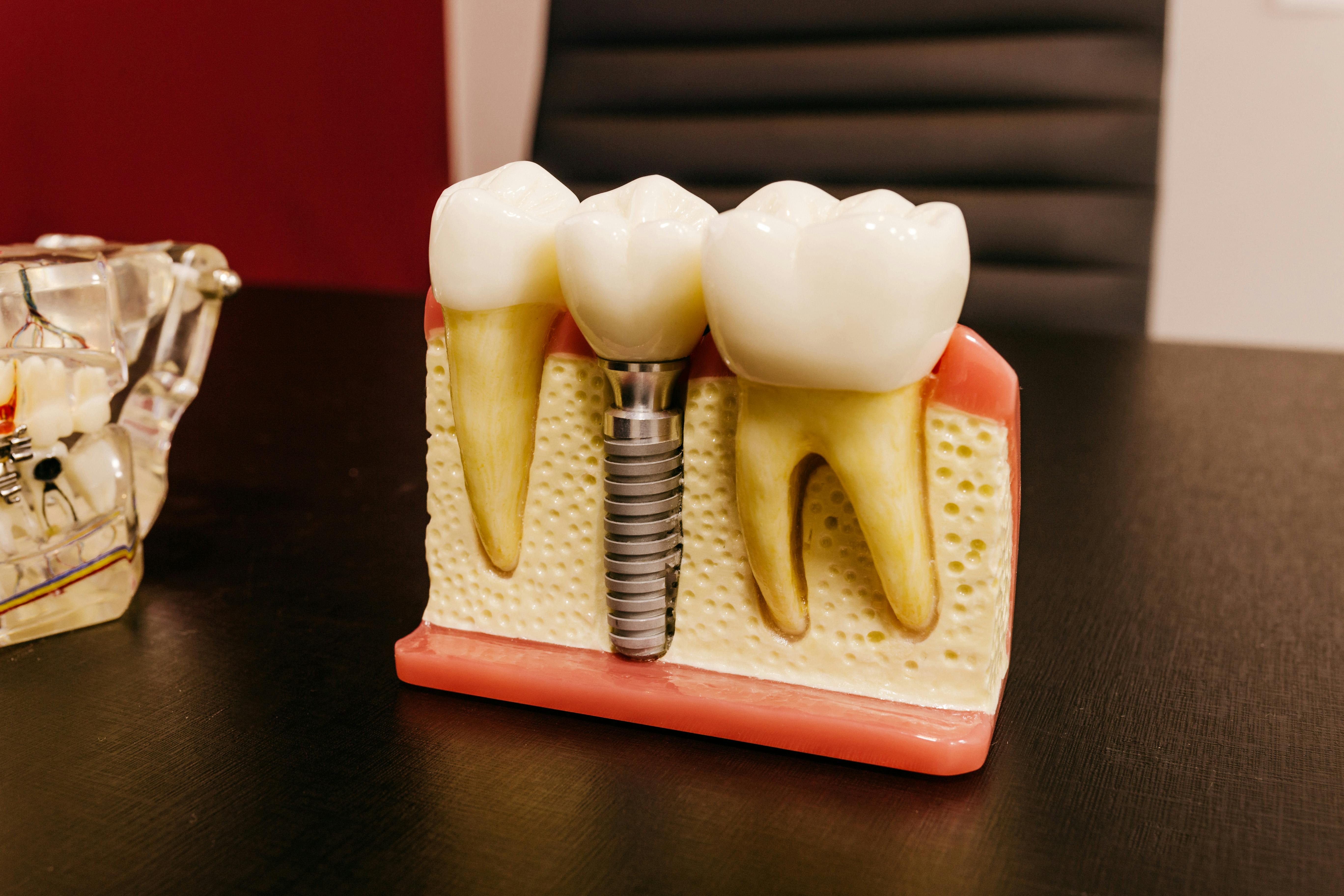
In the realm of modern healthcare, dental implants have emerged as a revolutionary solution for individuals seeking to restore their smiles and improve oral functionality. However, the journey to achieving the perfect dental implant requires more than just a one-time visit to a clinic. Proper care, maintenance, and follow-up are crucial to ensure the longevity and health of dental implants. For this reason, having access to a local implant care network that caters to individual needs is essential. Such networks provide comprehensive support and expert guidance to patients, making the implant process a seamless experience.
The Importance of a Local Implant Care Network
Access to a local implant care network offers numerous advantages for patients. These networks typically comprise a team of experienced professionals who are well-versed in the latest implant techniques and technologies. Patients benefit from personalized care and advice, ensuring that their specific needs are met effectively.
- Convenience: Having a local network means reduced travel time for appointments and follow-ups, which is particularly beneficial for those with busy schedules or mobility issues.
- Continuity of Care: A local network ensures that all aspects of the implant process, from initial consultation to post-operative care, are coordinated seamlessly.
- Access to Resources: Patients can take advantage of educational tools and resources to better understand their treatment and care options. Read more about this topic.
Components of an Effective Implant Care Network
An effective implant care network should be comprehensive, offering a wide range of services and support to cater to diverse needs. Here are some key components:
Consultation and Assessment
The journey begins with a thorough consultation and assessment process. This step involves evaluating the patient’s oral health, discussing treatment options, and developing a personalized care plan. Learn more in this detailed guide.
Advanced Implant Procedures
State-of-the-art technology and techniques are essential in ensuring successful implant procedures. A reliable network will offer advanced, minimally invasive procedures that reduce recovery time and enhance outcomes.
Post-Procedure Care and Maintenance
After the implant procedure, ongoing care and maintenance are critical. This includes regular check-ups, cleaning, and monitoring to prevent complications and ensure the longevity of the implants. Explore further insights here.
Choosing the Right Network for Your Needs
Selecting the right implant care network involves considering several factors:
- Reputation and Experience: Research the network’s reputation and the experience of its professionals. A proven track record is often indicative of quality care.
- Range of Services: Ensure the network offers a comprehensive range of services, from consultation to post-procedure support.
- Patient-Centered Approach: The network should prioritize patient comfort and satisfaction, offering personalized care tailored to individual needs.
- Accessibility: Consider the location and accessibility of the network’s facilities, as well as the availability of appointments that fit your schedule. Find additional information here.
The Future of Implant Care Networks
As technology continues to advance, implant care networks are expected to evolve, offering even more sophisticated solutions for patients. Innovations such as digital imaging, 3D printing, and AI-driven diagnostics are likely to play a significant role in shaping the future of dental implants.
In conclusion, a local implant care network tailored to individual needs is an invaluable resource for anyone considering dental implants. By providing expert guidance, comprehensive services, and ongoing support, these networks ensure that patients receive the highest standard of care throughout their implant journey. Explore further insights here.