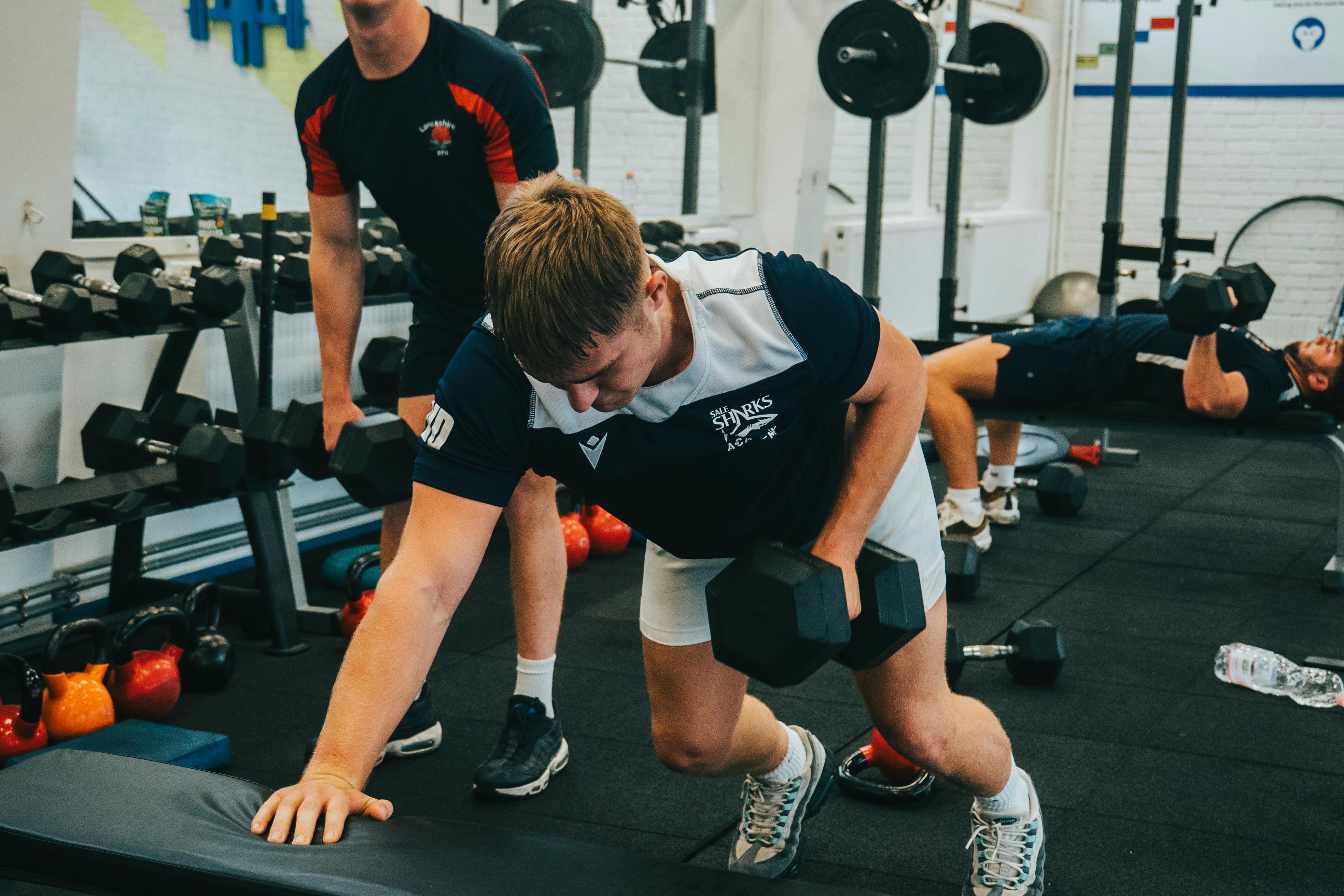
In the realm of physical fitness and athletic performance, the pursuit of enhanced strength and improved performance is a common goal. Achieving these objectives requires more than just dedication; it necessitates a strategic and well-informed approach to training. Understanding the key components of effective training can help individuals maximize their potential and achieve their fitness goals efficiently. This article delves into the essentials of proper training, offering insights into how to boost strength and performance.
The Fundamentals of Strength Training
Strength training is a cornerstone of physical fitness, offering numerous benefits beyond muscle growth. It enhances muscle endurance, improves bone density, and boosts metabolic rate. To harness these benefits, consider the following principles:
- Progressive Overload: Gradually increasing the weight, frequency, or number of repetitions in your strength training routine to continuously challenge your muscles.
- Balanced Routine: Ensuring your workout routine targets all major muscle groups to promote balanced strength development.
- Rest and Recovery: Allowing sufficient time for muscle recovery to prevent overtraining and injuries. Proper rest is crucial for muscle growth and strength gains.
- Proper Form and Technique: Prioritizing correct form and technique to maximize effectiveness and minimize the risk of injury.
For more comprehensive insights into strength training, read more about this topic.
Enhancing Performance Through Training
Performance training focuses on improving the body’s ability to perform specific physical tasks. Whether you are an athlete or simply looking to improve your fitness level, consider these key strategies:
- Specificity: Tailoring your training to mimic the movements and demands of your specific sport or activity.
- Periodization: Structuring your training into phases, each with a specific focus, to optimize peak performance.
- Cross-Training: Incorporating a variety of exercises to improve overall fitness and reduce the risk of overuse injuries.
- Nutrition and Hydration: Supporting your training with a balanced diet and adequate hydration for optimal performance and recovery.
Explore further insights here to enhance your performance training.
Monitoring and Evaluation
To ensure continuous improvement, it is vital to monitor progress and evaluate the effectiveness of your training program. Consider these approaches:
- Setting Clear Goals: Establishing specific, measurable, achievable, relevant, and time-bound (SMART) goals to guide your training.
- Tracking Progress: Keeping a record of your workouts, including sets, reps, weights, and personal bests, to monitor improvements.
- Adjusting Your Routine: Being prepared to modify your training program based on progress assessments and performance evaluations.
- Seeking Professional Guidance: Consulting with fitness professionals to refine your training approach and address any plateaus.
Learn more in this detailed guide on how to effectively monitor and evaluate your training progress.
Conclusion
Boosting strength and performance is a multifaceted endeavor that requires a thoughtful and strategic approach to training. By understanding and applying key training principles, individuals can optimize their fitness routines to achieve their goals. Whether through strength training, performance enhancement, or careful monitoring, the path to improved physical capability is paved with informed choices and dedicated effort. For additional information on training methodologies, find additional information here.